Saturday, January 19, 2013


Friday, January 18, 2013
Poultry industry in Sri Lanka

About 70% of the contribution to livestock
sub-sector in Sri Lanka comes from chicken meat and eggs. With the current
purchasing levels of consumers, the industry is capable of producing considerable
amount of local requirements of chicken meat and eggs, which is relatively
cheap compared to other animal products. Poultry products have now made the
most consumed animal protein source in the average Sri Lankan diets. As the
industry today is in the hands of the private sector, the role of the state is confined
mostly for implementation of poultry health management programs, research and
policy development for further consolidation of the industry.
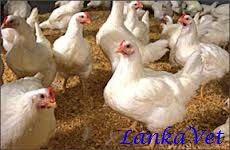 The village chicken contributes about 15% to the national egg
production. They are mainly reared for the egg production as they are having
low growth rates. The village chicken are reared both in the rural and semi
urban areas. However, they are found very frequently in rural villages of Sri
Lanka. The average flock size varies from 5-10 birds. More importantly, there
are no commercial-level village chicken productions using intensive management
practices as people do with exotic breeds. Birds are set free to scavenge
during the day and kept in small houses in the night. According to the
observations, house wives and children frequently have the responsibility in looking
after the animals.
The village chicken contributes about 15% to the national egg
production. They are mainly reared for the egg production as they are having
low growth rates. The village chicken are reared both in the rural and semi
urban areas. However, they are found very frequently in rural villages of Sri
Lanka. The average flock size varies from 5-10 birds. More importantly, there
are no commercial-level village chicken productions using intensive management
practices as people do with exotic breeds. Birds are set free to scavenge
during the day and kept in small houses in the night. According to the
observations, house wives and children frequently have the responsibility in looking
after the animals.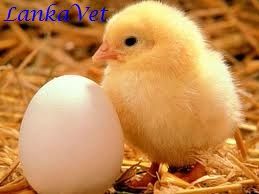 At present, the poultry
industry in Sri Lanka is growing as a lucrative sector despite minor constraints.
With the current purchasing levels of consumers, the industry is capable of
producing considerable amount of local requirements of chicken meat and eggs.
Being the cheapest sources of animal proteins, chicken meat and eggs have
contributed largely to animal protein requirement of the people. The government
declared chicken meat as an essential food commodity in 2006.
At present, the poultry
industry in Sri Lanka is growing as a lucrative sector despite minor constraints.
With the current purchasing levels of consumers, the industry is capable of
producing considerable amount of local requirements of chicken meat and eggs.
Being the cheapest sources of animal proteins, chicken meat and eggs have
contributed largely to animal protein requirement of the people. The government
declared chicken meat as an essential food commodity in 2006.Common Diseases of Persian Cats
 Breathing Difficulties
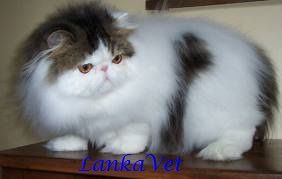
The modern Brachycephalic Persian cat has a large rounded
skull and a shortened face and nose. This facial conformation makes the breed
prone to breathing difficulties, skin and eye problems and birthing
difficulties
Polycystic Kidney Disease
PKD affects the 36%-49% of adult Persian cats and causes
kidney failure. Symptoms include excessive drinking and urination, reduced
appetite, weight loss and depression.
Hypertrophic Cardio-myopathy - Faster Heart Rate
HCM is a heart disease that affects young to middle aged
cats. It is characterized by a faster heart rate and congestion sounds in the
lungs. The pulse also feels weak. The most symptom of HCM is pain, associated
with blood clot formation in the aorta. HCM is treated with diuretics, such as
frusemide, diltiazem, and nitroglycerine ointment. ACE inhibitors, can be
beneficial, while some cats respond to essential fatty acid supplements and the
antioxidants selenium and vitamin E.
Epiphora - Excessive
Tearing
The cause of this excessive tearing may be due to chronic
eye irritations or infections. The case can be treated with the use of
antibiotics such as Tetracycline.
Feline Hyperesthesia - Sensitive Skin
Thursday, January 17, 2013
Red Raw Rice Polish vs White Raw Rice Polish
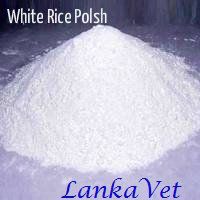
EFFECTS OF DIETARY INCLUSION OF RED RAW RICE POLISH AND WHITE RAW RICE POLISH ON GROWTH PERFORMANCE OF BROILER CHICKEN.
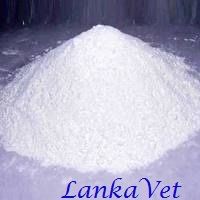
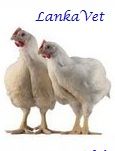
Effects
of dietary inclusion of red raw rice polish (RRP) and white raw rice polish (WRP)
on growth performance of broiler chickens was studied in a dose response trial.
A total of two hundred forty day old
chicks were randomly divided into twenty-four experimental units with ten
chicks each. Both RRP and WRP were incorporated into broiler
diets at 10, 20,
and 30 percent levels replacing the dietary maize. The experimental units were
randomly allotted to the six diets such that there were
four replicates of chicks on each diet. Each bird had free access to its
respective experimental diet ad libitum for six weeks period and feed
intake, body weight, and feed conversion ratio were observed weekly. Finally,
the results were statistically analyzed using Genstat discovery edition 03
statistical software packages. The finding of study suggests that inclusion of
RRP and WRP with different levels did not show any influence on feed intake,
live body weight, and feed conversion ratio and therefore,
no
significant effect (P<0.05) on growth performance of broiler chickens.


Persian Cats
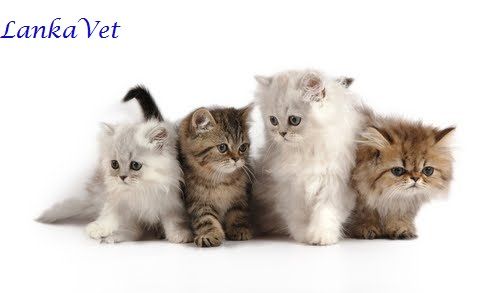
History
Persia is the ancient name of Iran,
which of course implies this breed's origins and age. The Persian people
considered them very valuable and treated them like true treasures.
Personality
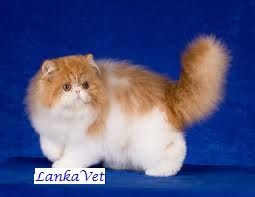 The Persian is a long-haired
breed of cat characterized by its round face and shortened muzzle. They are
sweet and gentle, but need to feel secure in their environment. They are well
known for their quiet, docile dispositions and for very playful and
affectionate nature. Though, they are not very demanding, they love to be
petted. They will sit on your lap, follow you around the house and sleep in
your bed during cold nights. They are very adaptable and accommodating.
The Persian is a long-haired
breed of cat characterized by its round face and shortened muzzle. They are
sweet and gentle, but need to feel secure in their environment. They are well
known for their quiet, docile dispositions and for very playful and
affectionate nature. Though, they are not very demanding, they love to be
petted. They will sit on your lap, follow you around the house and sleep in
your bed during cold nights. They are very adaptable and accommodating.
Breed
Characters
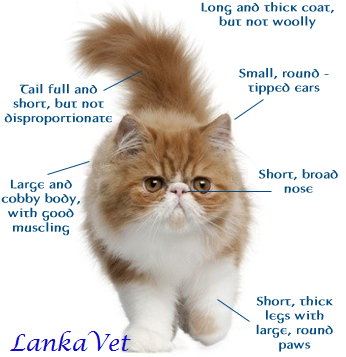 As you already aware, that the Persians
are well known for their long, luxurious fur and their distinct, sweet
expressions. Persians have a flat face and round eyes. Their heads are round
and large, and the ears small and round-tipped. The body of the Persian is
thick and stocky.
As you already aware, that the Persians
are well known for their long, luxurious fur and their distinct, sweet
expressions. Persians have a flat face and round eyes. Their heads are round
and large, and the ears small and round-tipped. The body of the Persian is
thick and stocky.
Persians come in a large
variety of colors and patterns, including solid, silver, golden, shaded, smoke,
tabby, parti-color, bi-color and Himalayan
Persians come in many patterns and colors
listed below.
Solid
|
Himalayan
|
Patched
|
Silver
|
Black
|
Seal Point
|
Black and White
|
Chinchilla
|
White
|
Blue Point
|
Red and White
|
Shaded Silver
|
Blue
|
Tortie Point
|
Tortie and White
|
|
Cream
|
Red Point
|
Blue and White
|
|
Red
|
Cream Point
|
Calico (Blue
Cream White)
|
|
Tortoiseshell
|
Blue/Cream Point
|
Patched
|
|
Blue/Cream
|
Chocolate Point
|
||
Chocolate
|
Lilac Point
|
||
Lilac
|
Kitten
Care
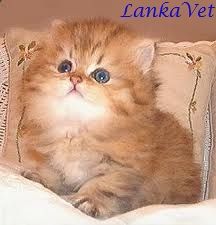 When you first bring your kitten home you should put him in
a small area until he is comfortable with his new surroundings. This can be
your bedroom, bathroom or any other comfortable place and let him find its own
way out of the basket. That allows him to explore the new environment for a few
days. Make sure that all doors and windows are shut, to prevent the kitten from
escaping. Kittens are very often frightened by children or other pets that are
new to them. Children should therefore be recommended to be quiet and wait for
the kitten to adapt the new environment, while other animals should be
introduced later, gradually and one at a time. Remember that adult cats might
attack to the baby cat, since they confront it as a competitor or enemy.
When you first bring your kitten home you should put him in
a small area until he is comfortable with his new surroundings. This can be
your bedroom, bathroom or any other comfortable place and let him find its own
way out of the basket. That allows him to explore the new environment for a few
days. Make sure that all doors and windows are shut, to prevent the kitten from
escaping. Kittens are very often frightened by children or other pets that are
new to them. Children should therefore be recommended to be quiet and wait for
the kitten to adapt the new environment, while other animals should be
introduced later, gradually and one at a time. Remember that adult cats might
attack to the baby cat, since they confront it as a competitor or enemy.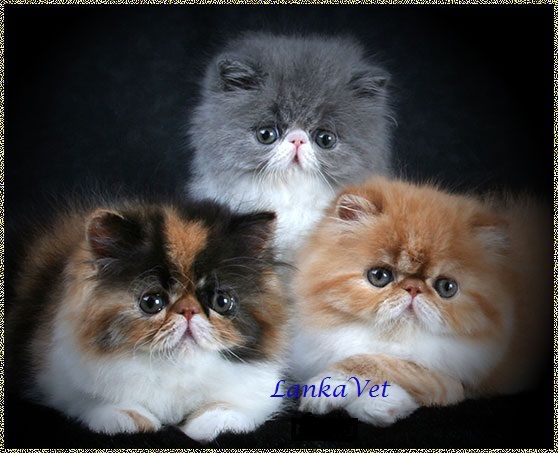
Talk to your kitten and encourage it to play with a toy but
do not overwhelm it with extreme attention. Kittens need warmth, since they
miss their mother and litter mates. During the first month of their life,
kittens should be breastfeeding. They should separate their mother only after
one month old. At this age they can start eating kitten food which comes in
small kibbles that encourage kittens to crunch and help them develop stronger
gum and teeth.
A litter tray must be available at all times and kept in
the same place. Solid matter and wet lumps should be removed from the tray
frequently and the litter renewed when necessary.
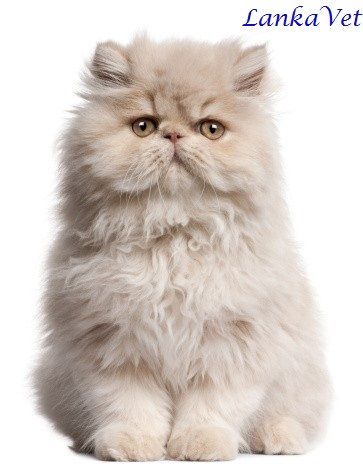
Weight: Male: 08 – 10 pounds
Female: 07 – 09 pounds
Height: Male: 10 - 15 inches
Female: 10 - 14 inches
Lifespan
Persians cats usually live 15 years
or more.
Nutrition
As usual, the diet of Persians
must contain proteins, fats, carbohydrates, mineral substances and vitamins.
Changing your Persian's diet abruptly or overfeeding will cause abdominal discomfort
or diarrhea. Any changes in the diet
should gradually be done. Begin by mixing approximately one part new food to
about five parts current food. Slowly increase the ratio of new food over the
next several days until you eventually are feeding nothing but the new food.
A balanced and rich in
vitamins, protein and fiber nutrition will prevent most health problems such as
obesity and moreover help them develop a rich and shiny fur.
Suggested daily intake of dry food
for Kittens
Age in Months
|
Body Weight
|
Suggested Daily Intake
|
01
|
0.8-1.7
|
25-40
|
02
|
1.8-3.0
|
40-50
|
03
|
3.1-4.0
|
50-55
|
04
|
4.1-5.0
|
55-60
|
05
|
5.1-6.0
|
60-70
|

Suggested daily intake of dry food
for Cats
Body weight
|
Suggested Daily Intake
|
||
Lean Type
|
Normal
|
Overweight
|
|
6 lb
|
50
|
35
|
25
|
8 lb
|
70
|
50
|
35
|
10 lb
|
80
|
70
|
50
|
42 lb
|
100
|
80
|
50
|
14 lb
|
100
|
80
|
70
|
16 lb
|
130
|
100
|
80
|
18 lb
|
140
|
100
|
80
|
Grooming
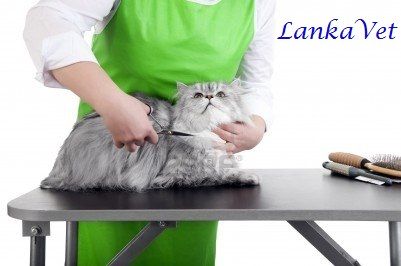 Coat: Persian
cats have a rich and long-haired coat; so that, they have a high risk of
developing hairballs. Therefore; Persians require frequent grooming with the
help of a metallic brush. The brushing movements need to be repetitive, however
delicate as the Persian cats' skin is highly irritable. To get rid of tight
knots, use a brush with wide-teeth first and dissolve them gradually. If you
neglect this daily routine, your Persian cat will develop tight knots and
become aggressive during the next grooming.
Coat: Persian
cats have a rich and long-haired coat; so that, they have a high risk of
developing hairballs. Therefore; Persians require frequent grooming with the
help of a metallic brush. The brushing movements need to be repetitive, however
delicate as the Persian cats' skin is highly irritable. To get rid of tight
knots, use a brush with wide-teeth first and dissolve them gradually. If you
neglect this daily routine, your Persian cat will develop tight knots and
become aggressive during the next grooming.
Persians moult heavily twice a
year, and shed some hair all year round. Regular grooming will improve the
blood circulation and help avoid many unpleasant and long-lasting infections
and allergies. You have to spend at least 20
minutes a week grooming your Persian.
It is believed that the average total length of the hair on a Persian cat is over 230 miles.
Ears: Clean
their ears once a week to prevent infections. Consult your vet on choosing the
proper cat ear cleaning solution and use it to remove the excess of wax, debris
and dead tissues.
Grooming Equipments
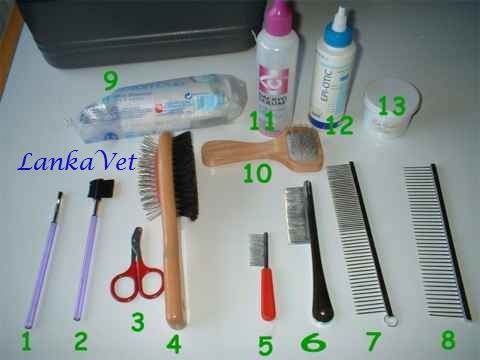
Teeth: Their
teeth should be checked periodically and brushed with a special wipe to prevent
teeth and gum diseases. There are a lot of cat toys, specially designed to
remove food wastes and prevent teeth irritation.
Eyes: Outside
of simply wiping their eyes, check for signs of dryness as well. Use an eye
cleaning solution to wash out the eyes. Be sure you do not use contact cleaner.
Place a light amount of lubricating eye gel into the eyes after cleaning to
keep them moist.
Subscribe to:
Posts (Atom)